
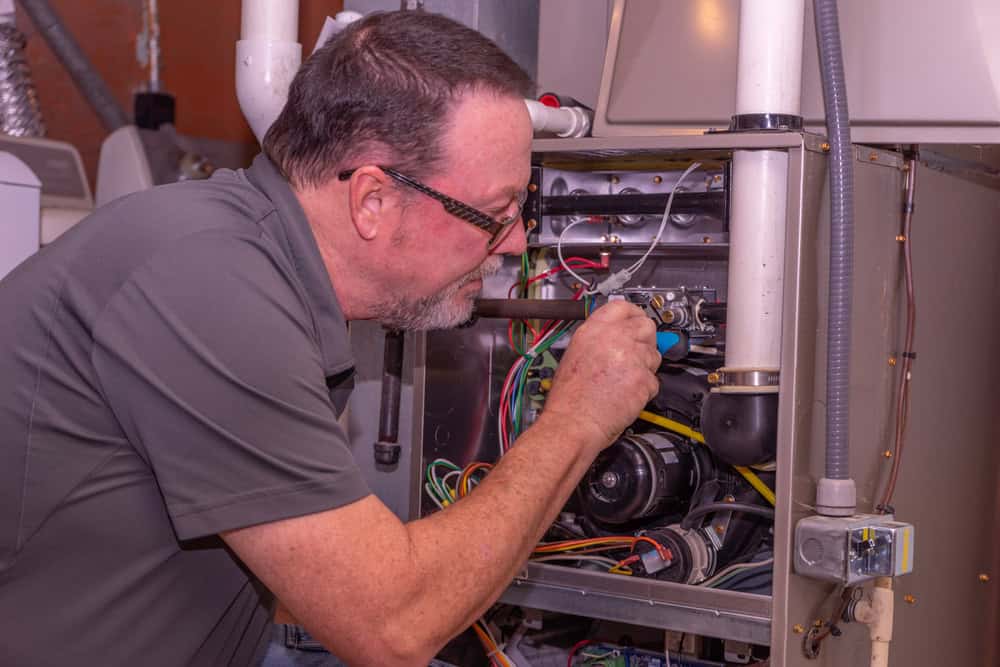
Fall is a good time to make sure your furnace is ready before colder weather arrives and heating becomes a daily necessity. Some furnace maintenance tips are simple enough for homeowners to handle, while other tasks should be left to a qualified HVAC professional. Both are important parts of preparing your heating system for winter.
Illinois winters can get frigid, and the last thing you want is a furnace that can’t keep up or breaks down during the next polar vortex. Scheduling annual furnace maintenance helps prevent heating emergencies by ensuring your equipment is in good condition before you need it.
When Should You Schedule Furnace Maintenance?
Waiting until the first cold snap to think about fall furnace maintenance might mean discovering a problem when you need heat most. Scheduling service earlier in the fall gives you time to address any concerns found during the system inspection. Even newer equipment still benefits from routine maintenance.
Of course, it makes sense to have your furnace serviced before temperatures drop, but it’s not the only time of year it makes sense to schedule an appointment. Servicing your heating system in the spring, after heavy use, helps determine whether your furnace made it through the winter in good condition and can sit safely until the cold season returns.
What Does Furnace Maintenance Include?
Professional heating maintenance involves more than just cleaning your furnace. Some aspects of heating maintenance should be left to a professional. A technician can inspect your system for anything that might affect operation, safety, and airflow, including electrical parts and other major components that only experts should handle.
Inspecting and Testing Your Heating System
During your maintenance appointment, the tech will check the thermostat and controls, electrical connections, blower components, and safety controls. They can also test whether it starts, operates properly, and shuts down correctly to help identify problems that may not be obvious while it’s running during the day.
Checking Combustion, Fuel, and Venting
For gas or oil fuel systems, professional maintenance includes checking the burners, fuel connections, combustion, heat exchanger, and ventilation. This part of regular maintenance requires a professional because of the safety risks involved with fuel sources and the potential fire risks of checking pilot lights and combustion systems.
Assessing Airflow and System Performance
An HVAC professional will check your furnace’s filter, airflow, and blower to see if your system is completing the heating cycle and not short-cycling. This ensures your system operates properly. Checking these smaller components helps identify airflow restrictions or other issues that are affecting how effectively your home is heated.
DIY Fall Furnace Maintenance Checklist
While most heating maintenance tasks should be done by professionals to avoid accidents or system damage, you can use this furnace maintenance checklist as a reference for what tasks you can handle yourself:
- Check and replace the filter if needed.
- Clear vents and return grilles.
- Remove clutter from around the furnace.
- Test the thermostat.
- Listen for unusual sounds or notice unusual odors.
- Watch for changes in system performance.
- Schedule professional maintenance if your system has not been checked this year
Signs Your Furnace Needs Attention
Another part of fall heating maintenance is recognizing when your furnace is not operating normally. Watch for:
- A furnace that will not start.
- If your system cycles on and off often.
- Weak or uneven airflow.
- Unusual banging, rattling, squealing, or grinding sounds.
- Odors when the system is operating.
- If your furnace struggles to reach the thermostat setting.
- Increased energy use without a change in heating habits.
- A recurring heating issue.
These symptoms can have different causes, so they are not a diagnosis on their own. They are signs something is going on with your heating system. A qualified HVAC professional can determine whether the underlying issue involves airflow, the thermostat, a specific component, or another part of your heating system. Your seasonal maintenance appointment can help you spot potential problems or know it’s time for a new furnace before you need one during the colder months.
How to Prepare for Your Furnace Maintenance Appointment
Before your maintenance appointment, make sure the technician can easily access your equipment and move stored items away from it. You should make a note of any unusual sounds, odors, or performance changes you’ve noticed so you can bring them up during your service.
If possible, have previous maintenance or repair information available so the technician can understand your furnace’s service history. If your furnace is newer or still under warranty, review the manufacturer’s maintenance requirements and keep this information handy in case the tech finds something that needs repair or a part needs to be replaced.
Get Your Furnace Ready for Heating Season
Getting your furnace ready for colder weather is about more than checking whether it turns on. A few simple checks can help you catch performance issues, while professional seasonal service can identify problems you might not be aware of.
If you have noticed changes in your furnace’s performance or want to prepare your furnace for winter, seasonal heating maintenance not only makes sure your furnace works properly. Ardmore services the Chicagoland area, so if your furnace needs maintenance, we can make sure it is safe and working properly so it won’t leave you without heat when you need it the most.