
Are you noticing higher energy bills? Your HVAC system may not be the problem. The real issue could be hidden air leaks throughout your home.
The gaps around the connections of your ducts, insulation, attics, and outside openings allow conditioned air to escape and outside air to enter. This makes your HVAC system work harder than it should, thus increasing your energy bills.
What Are Air Leaks in a Home?
Air leaks happen when the conditioned air, which is the air that your system has already heated or cooled, leaks out before it reaches the rest of your home. At the same time, unconditioned outdoor air is entering your home.
Common sources include:
- Loose or aging duct connections
- Attics and crawl spaces with insufficient sealing
- Gaps around windows and doors
- Recessed lighting fixtures
- Penetrations for plumbing or wiring
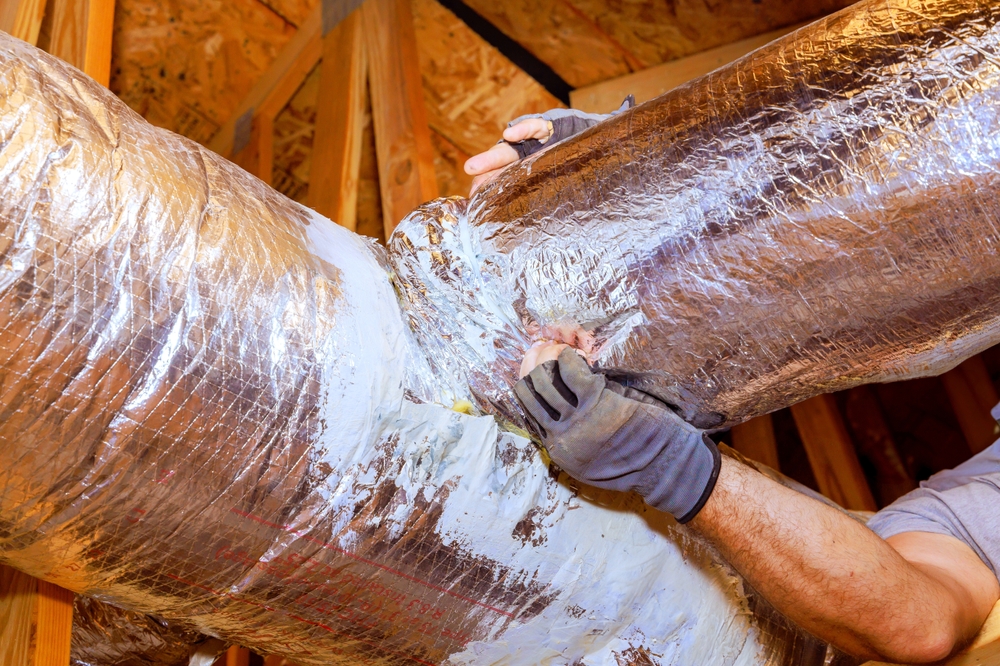
One of the most commonly overlooked HVAC problems is leaking ductwork. If your ducts are located in attics, basements, or garages, even the tiniest leak can result in substantial air leakage before it reaches your vents.
How Hidden Air Leaks Increase Your Energy Bills
Your HVAC System Runs Longer
When conditioned air leaks out, your system must work to replace it. This leads to longer run times, more cycles, and more wear on critical components such as the blower motor and compressor. A leak in one of your HVAC ducts may not seem like a problem, but when you look at the whole duct system, small leaks can cause your HVAC system to run more.
Conditioned Air Never Reaches Living Spaces
If there is an air leak in your attic or basement, your thermostat will never actually reach the temperature you set. This means that your system will continue to run in order to compensate for the air it has already lost. This can lead to higher energy bills, even if you haven’t changed your thermostat settings.
Outdoor Air Disrupts Indoor Temperatures
Air leaks work both ways. During winter, cold air can seep into your house. During summer, warm, humid air presses its way inside. Your unit has to cool or heat the extra air, which lowers your system’s efficiency and makes you spend more to heat or cool your home.
Signs Your Home May Have Air Leaks
Air leaks aren’t always obvious, so you may not immediately recognize that they’re causing issues. Here are some common signs to look out for:
- Uneven temperatures between rooms
- Drafts near vents, windows, or doors
- HVAC system running frequently or continuously
- Higher-than-normal energy bills
- Excess dust accumulation
- Rooms that feel humid during summer
The Impact on HVAC Efficiency and System Lifespan
Air leaks don’t just increase energy bills. They can also shorten your system’s lifespan. When your system runs longer than it should to keep your house at the desired temperature, its parts will wear out faster, and maintenance may become more frequent.
Many homeowners assume their HVAC equipment is failing when they notice these issues, but in many cases, the problem is an efficiency loss caused by leaking ducts or hidden air leaks. By addressing these problems early, you can fix your cooling system rather than replace it.
Where Air Leaks Commonly Occur in Illinois Homes
Homes in Illinois experience extreme seasonal shifts, with cold winters and humid summers. These temperature variations cause building materials to expand and contract over time, creating gaps in the insulation and duct connectors. In many cases, a small separation in the HVAC duct can cause an air leak that significantly reduces airflow to certain rooms, leading to hot or cold spots.
Common trouble spots include:
- Duct systems routed through unconditioned attics
- Older homes with aging insulation
- Basement duct joints that were never properly sealed
- Connections between supply and return ducts
Identifying and Addressing Air Leaks
Simple At-Home Checks
Homeowners can:
- Feel for airflow around duct joints
- Check attic insulation for visible gaps
- Look for disconnected duct sections
- Monitor rooms that consistently feel uncomfortable
However, visual inspections often miss hidden gaps inside walls or ceilings.
Professional HVAC Evaluation
A professional assessment may include:
- Airflow testing
- Duct leakage inspection
- System performance evaluation
- Inspection of insulation and ventilation
How to Fix Air Leaks in Your HVAC System
Fixing air leaks gives you almost immediate improvements in both comfort and efficiency. Sealing the gaps in your ductwork and the rest of your home will not only lower your energy bills but also help your system run longer and provide a more consistent temperature throughout your home.
Common solutions include:
- Sealing duct joints and connections
- Repairing or replacing sections of leaking ductwork
- Improving attic insulation
- Installing proper weatherstripping
- Air balancing adjustments
Get a Professional HVAC Evaluation from Ardmore
Air leaks may be hidden, but their effects are very real. Addressing HVAC air leaks early can help save you from unnecessary system replacements or frequent repair costs. A skilled HVAC technician can identify hidden leaks, recommend targeted solutions, and help restore the efficiency of your system. This helps keep your energy bills low and your home’s comfort hassle-free.
The team at Ardmore Fresh Air focuses on whole-system performance, identifying inefficiencies, repairing leaking ductwork, and restoring balanced airflow. With the right adjustments, your home can stay comfortable without overworking your HVAC system.