
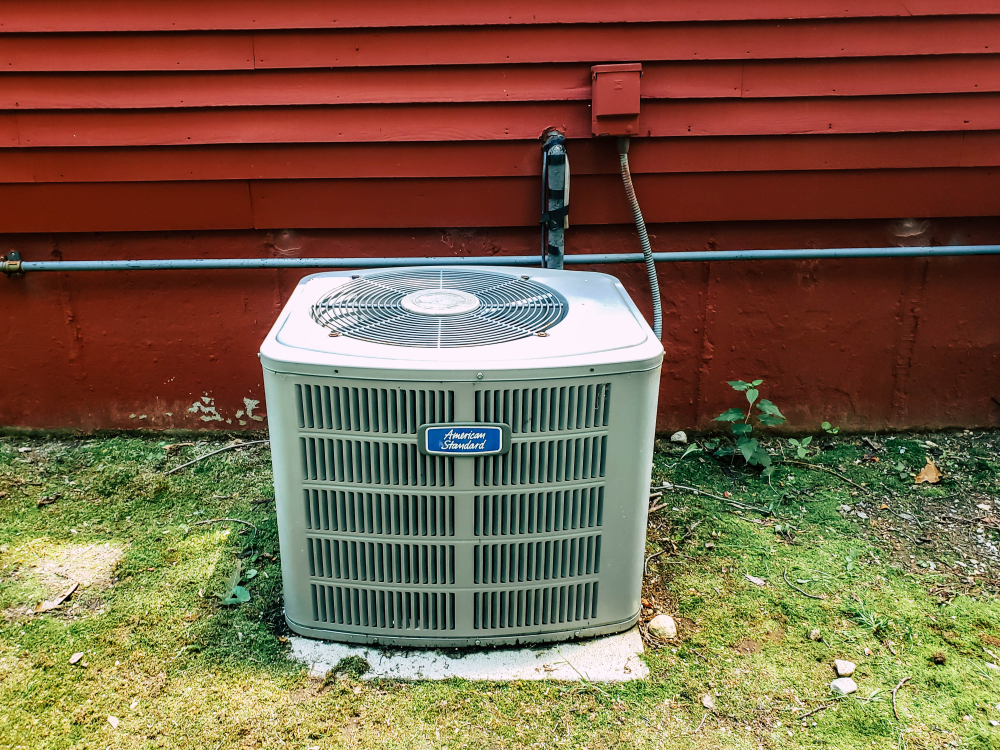
During summer, it can feel like your air conditioner never gets a break. You hear it running all afternoon, into the evening, and it’s easy to wonder if that’s normal or a sign that something isn’t right.
The answer isn’t always as simple as figuring out how long it’s been on. How long your AC runs depends on everything from the outside temperature and humidity to your home’s layout and the condition of the system itself. Understanding what influences runtime can help you tell the difference between an air conditioner that’s just working hard and one that’s struggling to keep up.
Is It Normal for an Air Conditioner to Run All Day in Summer?
An air conditioner is designed to keep your home at a specific temperature, not cool it as quickly as possible. The entire cooling process starts when the thermostat senses that your home is warmer than the set temperature and ends once the intended temperature is reached. During extreme heat, your AC will run longer because it has to work harder to reach the thermostat’s set temperature, whereas on mild days, these cooling cycles will be shorter because there is less heat for the system to remove.
There is no set amount of time your AC should run because every home responds differently to summer conditions. During a Chicagoland heat wave, it is common for your air conditioner to run for extended periods, especially when temperatures get into the 90s. Instead of focusing only on how long your system runs, you should pay attention to performance.
What Affects How Long Your AC Runs?
Several factors influence how long your air conditioner operates during the summer.
Humidity Levels
Your air conditioner helps remove moisture from the air. If you’re experiencing higher humidity, your system may need to run longer to maintain a comfortable environment. This is especially noticeable during Chicago summers, when high humidity can make your home feel warmer even if the thermostat reads your desired temperature.
Home Insulation and Air Leaks
Your home’s ability to hold onto cooled air plays a major role in your AC running too long. Poor insulation, gaps around windows and doors, and air leaks let heat into your home, making your system work harder to keep your space cool. Fixing these issues will help your home retain cooled air better.
Sun Exposure and Window Placement
The amount of sunlight your home gets can impact the demand on your air conditioner. Rooms with south or west-facing windows tend to absorb more heat, especially in the afternoon. The increased sun exposure causes these areas to feel warmer than the rest of your home. Curtains or blinds can help block excess sunlight and keep your home cooler without running the AC.
Home Size and Layout
Larger homes require more cooling because of the increased square footage. Your floor plan also impacts your cooling needs. Open concept homes have larger spaces to cool, which can take longer. Multi-story homes can also experience uneven temperatures between floors, causing your system to run longer as it works to balance the temperature throughout your house.
Thermostat Settings
Your thermostat setting directly affects how long your system runs, so lowering the temperature during extreme heat can increase runtime because your AC has to work harder to reach and maintain that temperature. Turning your thermostat way down won’t cool your house any faster and will just cause your system to run unnecessarily.
Refrigerant Problems
The refrigerant in your cooling system is what allows your AC system to absorb and transfer heat. If the refrigerant levels are low because of a leak, your system may struggle to cool your home effectively and continue running without ever reaching the temperature you set. A refrigerant leak can also have negative health effects.
AC System Size and Efficiency
The size and condition of your air conditioner also influence performance. A system that’s too small will struggle during hot weather, while an oversized system may cycle too quickly and fail to properly control humidity. If your system is the right size but too old, it won’t be efficient enough to cool your home without overworking.
Signs Your Air Conditioner Is Running Longer Than It Should
Long cooling cycles are often normal in hot weather, but watch for signs that your system needs attention. Consider calling an HVAC technician if:
- Your home never reaches the thermostat setting
- There’s warm air coming from your vents
- The indoor humidity feels unusually high
- Certain rooms stay much warmer than others
- Energy bills are unexpectedly higher than normal
- Your AC runs frequently even during mild weather
- Ice forms on refrigerant lines or equipment
These issues suggest your system may not be meeting your home’s cooling needs or there’s an underlying performance problem.
Does Running Longer Mean Higher Energy Bills?
Your air conditioner running longer doesn’t automatically mean you’re spending more money to cool your home. A system that runs longer but maintains the desired temperature may actually be operating efficiently, meaning no higher electric bills for you.
However, if it’s running excessively because of airflow issues, refrigerant problems, aging equipment, or other mechanical concerns, this increased energy use leads to higher utility costs. Regular maintenance can help mitigate several of these issues, so you don’t end up spending more money than you need to keep your home comfortable in the summer.
How to Help Your AC Run More Efficiently During Hot Weather
While you cannot control summer temperatures, there are several home maintenance things you can do to help cooling performance:
- Replace air filters regularly
- Keep supply and return vents open and unobstructed
- Use ceiling fans to improve air circulation
- Close blinds or curtains during peak sunlight hours
- Seal air leaks around windows and doors
- Schedule routine AC maintenance
- Consider a smart thermostat for better temperature control
When Should You Call an HVAC Professional?
If your AC is running longer than usual and your home is still too warm, it may be time for a professional evaluation. While there are some things you can do yourself, an HVAC technician can inspect your system and ductwork for airflow issues, refrigerant levels, and other factors that may be affecting your cooling. They can also perform or recommend any necessary repairs or adjustments that might need to be made so your system isn’t straining or running too often.
Ardmore Can Keep Your Home Comfortable All Summer
If your air conditioner seems to run longer during hot weather, there’s often no reason to panic. Extended cooling cycles are a normal response to high temperatures and humidity.
What matters most is whether your system is keeping you comfortable, controlling the humidity, and keeping up with your home’s cooling demands. If you need a complete system assessment or repairs, Ardmore is here to help you stay comfortable and provide support for your home’s cooling system all summer long.