
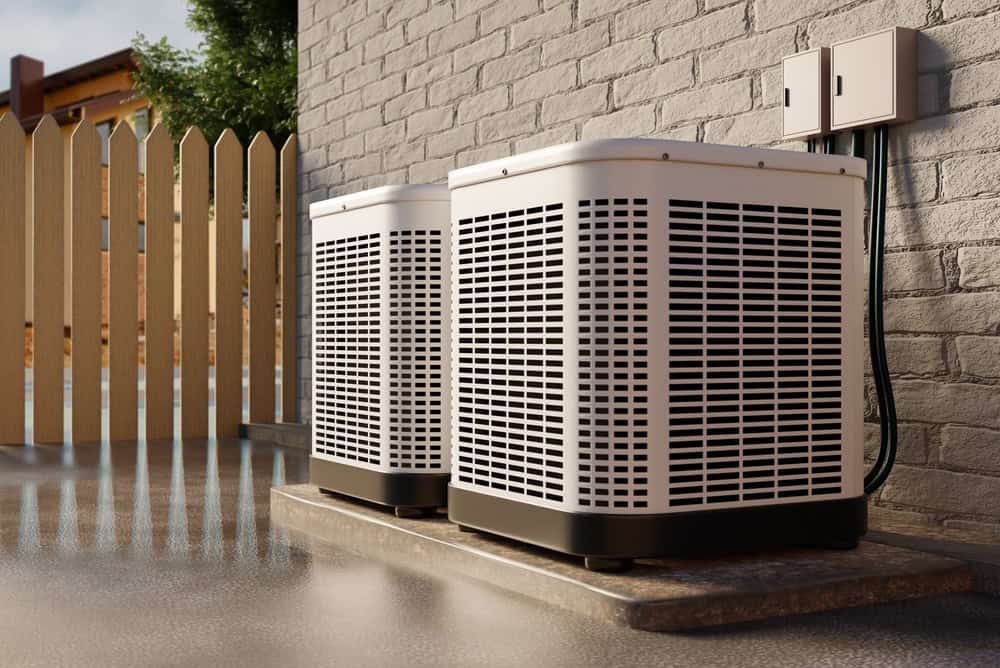
Your HVAC system has to do a lot throughout the year. It needs to keep your home warm, manage summer heat and humidity, and work with your home’s layout.
If you’re in the market for a new heating and cooling system and are deciding which one to install, choosing an HVAC system isn’t simply a matter of comparing brands or picking the equipment with the most features. There are a number of factors that influence which option makes the most sense.
What to Consider When Choosing an HVAC System
Before comparing specific HVAC products, start by looking at your home’s needs and the problems you want new equipment to address.
Your Home’s Size, Layout, and Existing Infrastructure
Many factors beyond square footage influence which HVAC system is ideal for your home. These include ceiling height, number of windows, insulation level, sun exposure, and even the layout.
Your infrastructure also affects the type of HVAC system you need. Some homes might have existing ductwork. Other homes have boilers or lack the space for traditional ductwork. Some older Chicagoland homes may still have the original ductwork or other characteristics that need to be assessed before new equipment can be installed.
Your Comfort and Efficiency Priorities
If you’re installing a new system, take note of any existing issues like inconsistent temperatures between rooms, high indoor humidity, or rising energy costs. Your new system should address these.
The solution might not be what you think. Uneven temperatures don’t always mean you need a larger HVAC system. Identifying what’s causing your current issues can help you choose a solution that actually addresses the problem.
Your Budget and Long-Term Costs
Operating costs, maintenance needs, potential repairs, and how long you plan to own the home all impact your decision on what kind of HVAC system to get.
Higher-efficiency equipment is typically more expensive because you’re getting more advanced components and technology, but a higher efficiency rating doesn’t automatically make it the best HVAC system for every household. Comparing the total costs and benefits of each option can help you find equipment that fits both your home’s needs and your budget.
Types of HVAC Systems
Central Heating and Cooling Systems
With a central system, your furnace provides heat, and a standard condenser handles cooling. Both systems use the same ductwork. This setup is common in Chicagoland homes and allows you to replace the individual pieces of equipment instead of the whole system.
You can often take advantage of rebates or specials, especially if you’re purchasing high-efficiency equipment. If you’re replacing an existing system, your ductwork and system compatibility should still be evaluated rather than assuming any furnace or air conditioner will work for your home.
Heat Pump Systems
Heat pumps provide both heating and cooling by transferring heat rather than generating it. They may be worth considering for homeowners looking for an all-in-one heating and cooling solution.
While heat pumps are less common in this area because of the harsher winters, new technology has made modern heat pumps capable of keeping up with the cold temperatures in Northern Illinois. However, your home’s heating requirements, equipment configuration, and winter performance should all be carefully evaluated before you decide on a heat pump system.
Ductless Mini-Split Systems
Ductless mini-splits heat and cool without ductwork. They work well for homes without air ducts, or for additions, converted spaces, or areas that need individual temperature control.
This kind of system can make one room or area more comfortable and can be stand-alone or work with your existing HVAC. Their zoning capabilities can be useful, especially if you’re doing any home renovations and need climate control for an area not connected to your central system.
Boiler Systems
Boilers distribute heat through water or steam via a radiator rather than forced air through a vent. They are common in older Chicagoland homes because they were once the standard heating system.
Since boilers only provide heat, you’d need a separate cooling solution. Replacing or upgrading a boiler also has different considerations than replacing a furnace, and radiators need regular maintenance, so it’s important to consider these things before committing to a boiler system.
Why Proper HVAC System Sizing Matters
Choosing the right type of equipment is only the beginning. It also needs to be properly sized for your home. Having an oversized or undersized system can create different problems. Improper sizing can cause short cycling, uneven temperatures, humidity issues, unnecessary energy use, and increased equipment wear.
A professional load calculation takes into account multiple characteristics of your home to determine its heating and cooling needs. Proper sizing helps ensure the system matches how the home actually performs, not a general estimate.
What to Consider When Comparing HVAC Equipment
Once you know the type of system you want, you can compare different models or specific equipment to find the one that has the features and functionality you want.
Features such as variable-speed operation, multi-stage equipment, and smart zoning can help address your comfort concerns. Don’t forget to consider efficiency ratings, installation costs, and expected operating needs, since these factors can affect the total cost of your new system.
It’s also important to confirm that any new equipment is compatible with your home’s electrical system, ductwork, controls, and available installation space. Warranty terms, maintenance requirements, and local service availability will tell you how difficult or easy the HVAC products you want will be to repair or maintain.
Why Professional HVAC Installation Matters
Choosing a heating and air conditioner system also means considering how it will be installed. Professional cooling installation helps ensure the equipment selected for your home is properly connected, configured, and tested as a complete system.
Even the right system can fail if it isn’t set up properly. Installing a furnace or air conditioner involves more than connecting new equipment. Airflow, electrical connections, refrigerant components, ductwork connections, controls, and overall system configuration can all affect performance.
Find the HVAC System That Fits Your Home
Each type of HVAC system has its own advantages and considerations, and the right choice isn’t always the same from one Chicagoland home to the next. The team at Ardmore Fresh Air can help you understand your options and choose a heating and cooling system that fits your property’s needs. We carry a range of air conditioners, furnaces, boilers, and other HVAC products from top-of-the-line brands so you get the comfort you’re looking for.
No matter if you go with a traditional central HVAC system or your home is already equipped with radiators for a boiler system, our techs can assist you from the initial evaluation and installation to any future cooling or heating repair needs and maintenance in between.