
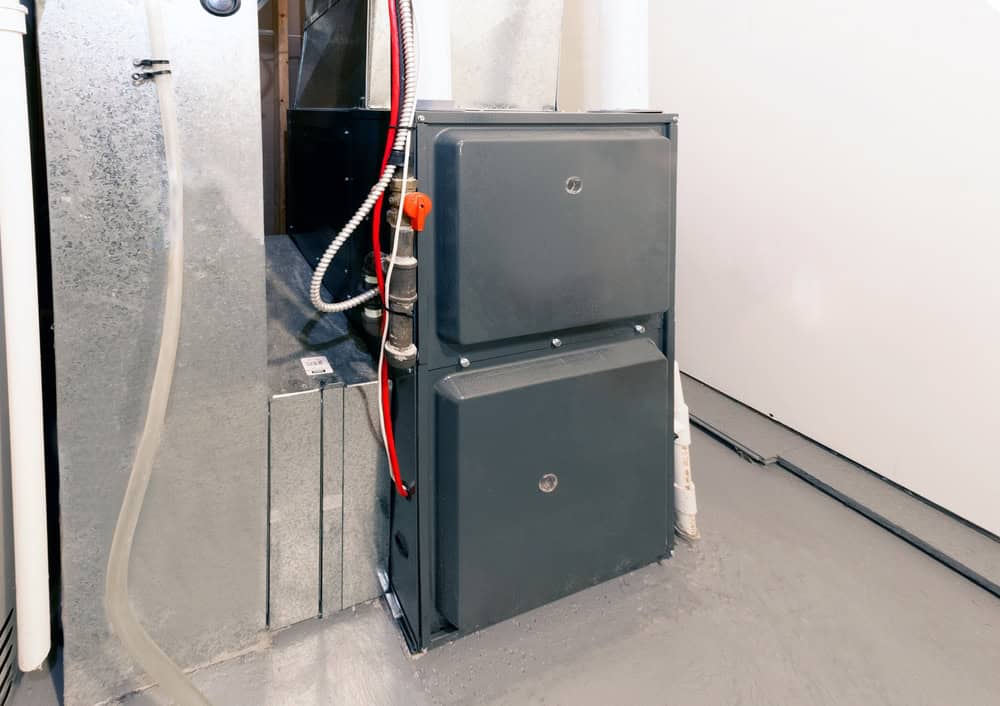
There’s never a good time to wonder whether you need a new furnace. It goes beyond how old your existing one is and the last thing you want is to have to make that decision after it’s stopped working and the repair technician gives you a quote for a new furnace or when the forecast is in the single digits, which happens in Chicagoland.
When you learn to spot the warning signs early, you can take your time comparing options, factoring in the cost of replacing your furnace, and scheduling the installation on your timeline instead of deciding under duress in the middle of January.
How Long Do Furnaces Last, and When Should You Replace It?
Most residential furnaces last 15 to 20 years, but it depends on several factors, including maintenance and sizing issues. That is why you can’t make this decision based on your furnace’s age. Whether your furnace lasts longer or needs premature replacement can also depend on a few variables.
Maintenance and Use
During service appointments, your furnace is regularly inspected for worn parts and components, which can be cleaned or replaced. Things like a clogged air filter restrict airflow and force your furnace to work harder. How you use it matters too, so steady thermostat settings and not frequently switching modes can impact lifespan.
Installation Quality
If your furnace was sized based solely on your home’s square footage, it might be the wrong size. Oversized units short-cycle, while undersized ones run almost nonstop, both of which affect the lifespan of your furnace. Additionally, the condition of your ductwork can mean your furnace isn’t getting the airflow it needs.
Operating Conditions
The more hours your furnace runs each season, the sooner its components wear out. Where your equipment is matters too. Damp basements or dusty utility spaces can potentially cause more corrosion and debris buildup.
Fuel type
Gas and oil furnaces burn fuel, so they have heat exchangers and burners that face heat stress, corrosion, and soot buildup over time. Electric furnaces often outlast gas models, but usually cost more to run.
Common Signs You Need a New Furnace
These are the signs you need a new furnace that we see most often:
- More frequent or costly repairs
- Rising heating bills
- Your home never feels warm
- Unusual noises or short cycling
- Visible deterioration or safety concerns
Getting your system inspected can tell you whether these problems point to a more serious issue that warrants replacing your furnace.
Should You Repair or Replace Your Furnace?
Not every issue means you need a new furnace, but the line between when to repair your furnace or replace it can be hard to navigate. If you’re looking for a starting point, the 50% rule is a good jumping-off point. If a repair would cost more than half the price of a new furnace, it’s usually worth looking into a replacement.
If you’re trying to make a decision during a service call, ask for both a repair quote and a replacement estimate at the same visit, so you’re comparing real numbers. You should also factor in operating costs. An inefficient furnace that leaves you with higher gas bills every month is costing you more money in the long run.
What Are the Benefits of Replacing an Aging Furnace?
A new furnace will not only last longer, but it may also resolve some of the comfort and cost problems you may have been experiencing with an older unit.
Improved Heating Performance and Comfort
Modern furnaces are better at maintaining a consistent temperature. Many can adjust their output to match heating demand instead of simply blasting heat and shutting off once the temperature is reached, which can heat your home more evenly. For added comfort, you can pair it with a smart thermostat for more precise scheduling and temperature control.
Greater Energy Efficiency
Newer high-efficiency furnaces burn less fuel to produce the same amount of heat. This is measured by a metric called AFUE, or Annual Fuel Utilization Efficiency. This number tells you what percentage of the fuel becomes usable heat in your home over a typical year.
An 80% AFUE furnace means 80 cents of every gas dollar gets turned into heat, while a 96% AFUE furnace loses only 4 cents of heat per dollar. Older furnaces were often rated between 56% and 70% AFUE, so upgrading to a high-efficiency furnace can help you save money.
Fewer Repair Concerns
An older furnace will likely malfunction bit by bit, and each repair only delays the inevitable. Replacing it resets that clock because everything is brand new, and a manufacturer’s warranty typically covers the major components if something goes wrong. It can also be harder to find replacement parts for older models when you need repairs. A new furnace, combined with regular heating maintenance, means fewer surprise repairs and reliable heating all winter long.
What Should You Consider When Choosing a New Furnace?
A new furnace has to fit your home’s heating needs, existing setup, and budget.
Size, Fuel Type, and System Compatibility
A proper heating load calculation determines how much heat your home actually needs by accounting for insulation, windows, air leakage, ceiling heights, and local climate. A new furnace also has to work with the systems already in your home. Before recommending equipment, a technician checks three things:
- They’ll check your gas line and electrical circuit to make sure they can power your new furnace, or determine whether they need upgrades.
- They’ll assess your ductwork for small or leaky ducts that keep warm air from reaching your rooms and may need sealing or resizing.
- They’ll make sure your furnace is properly vented. High-efficiency furnaces vent through PVC pipe instead of a chimney, so if your old one used one, you’ll need updated venting.
Efficiency and Features
A higher-efficiency furnace may cost more upfront, but the payoff is lower gas bills, a trade-off that makes sense, especially if you plan on staying in your home long term. How your furnace delivers heat also affects the cost and level of comfort you get.
- Single-stage furnaces always run at full output and cost the least upfront.
- Two-stage furnaces can run on low and step up the power on very cold days.
- Modulating furnaces adjust output in small increments, giving you even temperatures.
- Variable-speed blowers ramp airflow gradually, improving filtration and humidity control.
So How Much is a New Furnace?
The cost of replacing a furnace varies from home to home. It depends on many different factors and what goes into the installation. The only reliable way to know how much your furnace will cost is to get an evaluation and estimate from a professional. A more efficient, properly sized furnace may cost more upfront, but it often pays for itself through lower gas bills and fewer repairs.
There are also tax credits and energy rebates for qualifying high-efficiency equipment to help offset the cost, though those can change regularly. There may also be equipment or service discounts, so check the latest information before finalizing the price.
What Happens During a Professional Furnace Replacement?
Before we can install your new furnace, we’ll do a load calculation and ask about any comfort issues and your budget so we recommend the right furnace. Once that’s done, we’ll schedule the installation.
Most furnace replacements only take a day, unless ductwork or ventilation changes are needed. We remove your old furnace, set up the new unit, and connect gas, electrical, venting, and ductwork. We’ll also test the burners, airflow, venting, and safety controls, so you understand how your new furnace works. Then we’ll walk you through everything you need to know about your thermostat, filters, and warranty so you have everything you need once we’re done.
Of course, you can always give us a call if you notice anything is off or are having heating issues, like your furnace not turning on in the future.
Considering a Furnace Replacement? Give Us a Call.
The right time to replace your furnace is a decision that requires a lot of consideration, and we want to help homeowners across Chicagoland make confident decisions and get expert service when it’s time to have your new furnace installed.
Having a furnace that works when you need it to shouldn’t be something you have to wonder about. If your furnace is getting older or acting up, contact us to discuss your options or have your current furnace evaluated to help you decide between repairing or replacing it.